
A nebula starseed is a starseed of any origin whose soul is linked to a nebula. Nebulas are the vast clouds of gas and dust where stars are born and where many end. A nebula starseed keeps the traits of its home lineage, whether Orion, Lyran, or another. It also carries an added presence shaped by the nebula itself, often vast, steady, and quietly striking. This guide explains what a nebula starseed is and how it differs from an origin starseed. It then explores the meaning, personality, and power of this path. You’ll also find the main types by nebula, along with the best-known nebulas linked to starseed origins.
Let’s step inside these cosmic clouds, and see which one feels familiar.
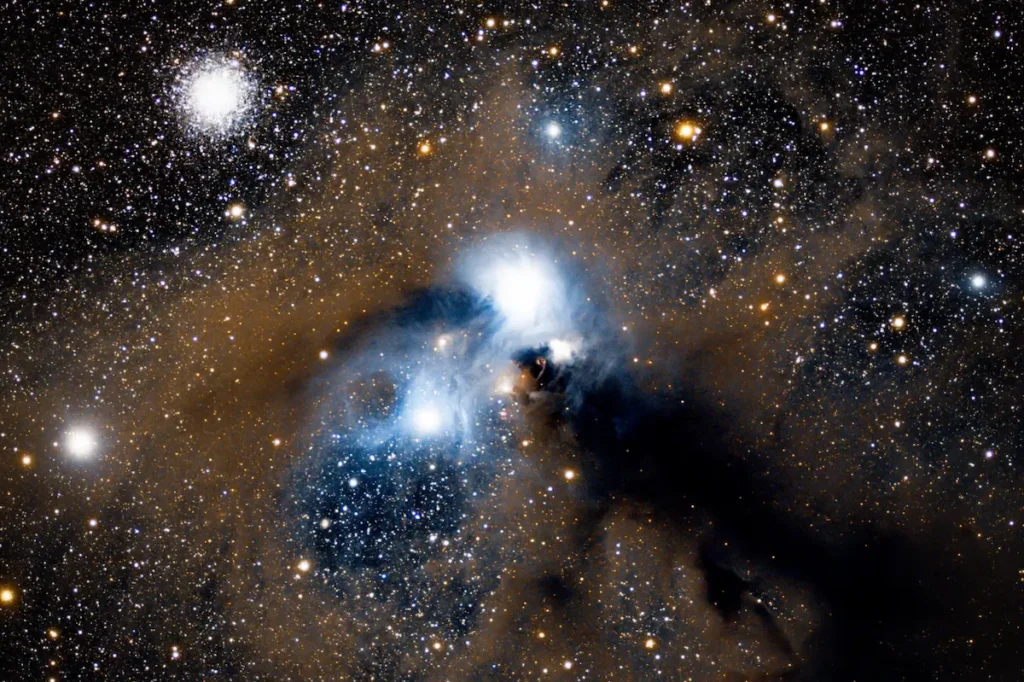
What Is a Nebula Starseed?
A nebula starseed is a starseed of any origin whose soul is associated with a nebula, carrying the traits of its home lineage along with the vast, luminous presence of that nebula.
A nebula is a vast cloud of gas and dust in space, often the place where new stars are born or where old ones end. In the starseed framework, certain starseed origins are linked to a specific nebula within their region of the sky. An Orion starseed, for example, may be tied to the Orion Nebula, while a Lyran starseed may be tied to the Ring Nebula. These souls keep the core traits of their home lineage. In addition, they are believed to carry the character of the nebula itself, which tends to show up as a steady, striking presence that others notice before a word is spoken. The link is symbolic rather than strictly astronomical, since a nebula can lie far beyond the star or constellation that names the lineage.
Curious to learn about all known starseed types? Our guide to 40+ starseed origins has everything you need to know.
Nebula Starseed vs. Starseed Origin
The two terms describe different layers of the same soul, so they don’t compete.
- Origin starseed. This is the lineage a soul belongs to, such as Orion, Lyran, or Sirian. It sets the core personality, strengths, and themes.
- Nebula starseed. This is a sub-population within an origin. It describes the specific nebula a soul is linked to, and it adds a layer of presence and energy on top of the lineage’s core traits.
Every nebula starseed has a starseed origin, but the reverse is not true. Lineages from nearby stars, such as Sirian or Arcturian starseeds, have no nebula connection, so they have no nebula branch. Two Orion starseeds show how this works in practice, where one is linked to the Orion Nebula and the other to the Horsehead, and both share Orion’s strategy and discipline. Even so, they feel different, because each carries the character of its own nebula. In short, the origin shows who you are in the broad sense, while the nebula shows which part of that origin you come from.
Nebula Starseed Meaning
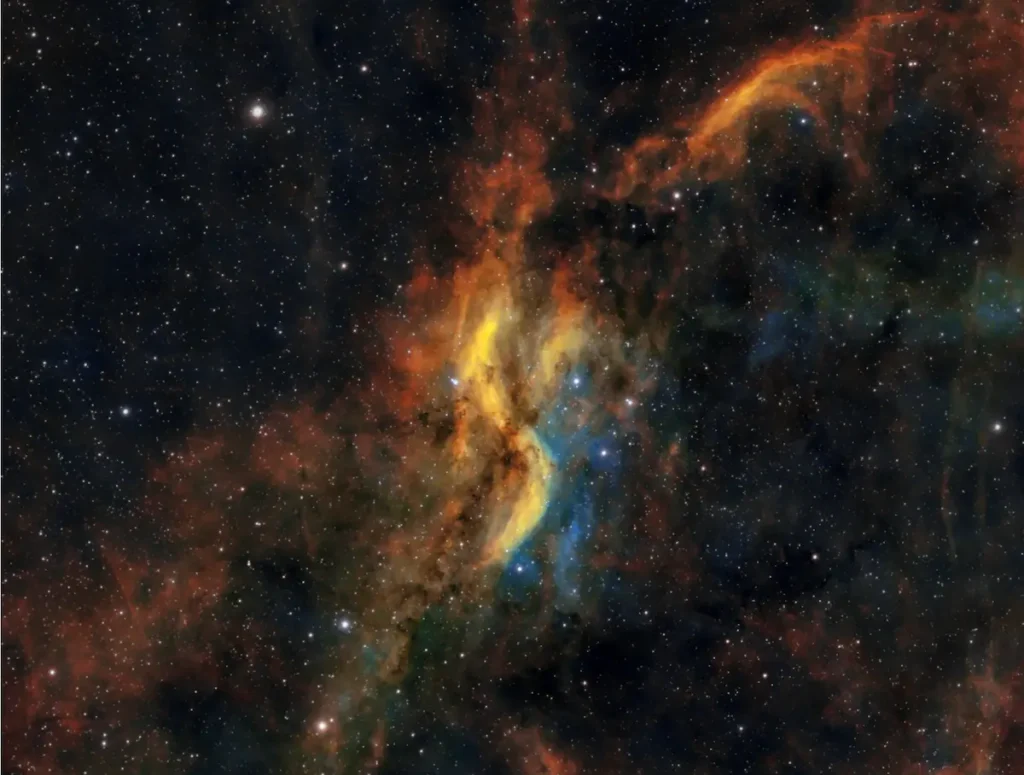
The spiritual meaning of a nebula starseed comes from what a nebula is: a place where stars are born and where old ones end. Three themes follow from this.
- Creation and potential. Many nebulas are stellar nurseries, so a nebula starseed is often seen as a soul that carries potential and helps new things begin, in others as well as in themselves.
- Transformation. Other nebulas are the remains of stars that have ended, such as the Crab or Ring Nebula. These link to renewal, showing that an ending can become the material for something new.
- Quiet, luminous presence. A nebula glows without moving or speaking, yet it shapes everything around it. For a nebula starseed, this means influence through presence rather than performance, and people often feel steadier simply being near them.
Which theme stands out most depends on the type of nebula a soul is linked to, which the types section explores later. At its core, though, the meaning is the same: a nebula starseed is a soul that holds space for becoming.
Thinking you might be a starseed? Find out for sure with our article on signs you may be a starseed.
Nebula Starseed Personality and Characteristics
A nebula starseed keeps the personality of its home origin, so an Orion nebula starseed still thinks strategically and a Lyran one still leads from the front. What the nebula adds is a shared layer on top, and together it forms an archetype that could be called the Radiant Monolith: vast, steady, and visually striking, with strength that is seen rather than announced. The traits below describe that shared layer.
- Presence before words. People notice them as soon as they enter a space, and they rarely need to speak or perform to be felt.
- Immovable steadiness. They are hard to rush, sway, or unsettle, and they hold their ground without raising their voice.
- Visible, quiet strength. Their power shows in how they carry themselves, not in what they say about themselves.
- A striking look or aura. Something about their bearing is memorable, whether a certain stillness, a depth in the eyes, or a glow that is hard to explain.
- Slow-burning influence. They are not fast or flamboyant, but their effect on people and places builds gradually and lasts.
- Quiet generative power. Like a stellar nursery, they create by being a steady centre that others grow around, instead of by showmanship.
This presence has a shadow side. Nebula starseeds can be slow to change, even when change is needed. Their strong presence may also make them seem reserved or intimidating before anyone knows them. Some feel they are noticed for how they appear and not for who they are, which can feel isolating. Nonetheless, their lack of vivacity is not a flaw, but rather a different way of shining.
Types of Nebula Starseeds
Nebula starseeds are grouped by the type of nebula they are linked to, since each type forms differently and gives a different flavour to the shared presence described above. Most nebula starseeds fall into one of five types.
Emission Nebula Starseeds
Emission nebulas glow with light from gas heated by young, hot stars, and many are stellar nurseries where new stars are forming. Starseeds linked to them are the most visibly radiant of the five, with a bright, magnetic presence that draws attention without effort. They tend to be formative figures who set a space in motion simply by being at its centre. The Orion Nebula and Flame Nebula (Orion starseeds) are the clearest examples.
Dark Nebula Starseeds
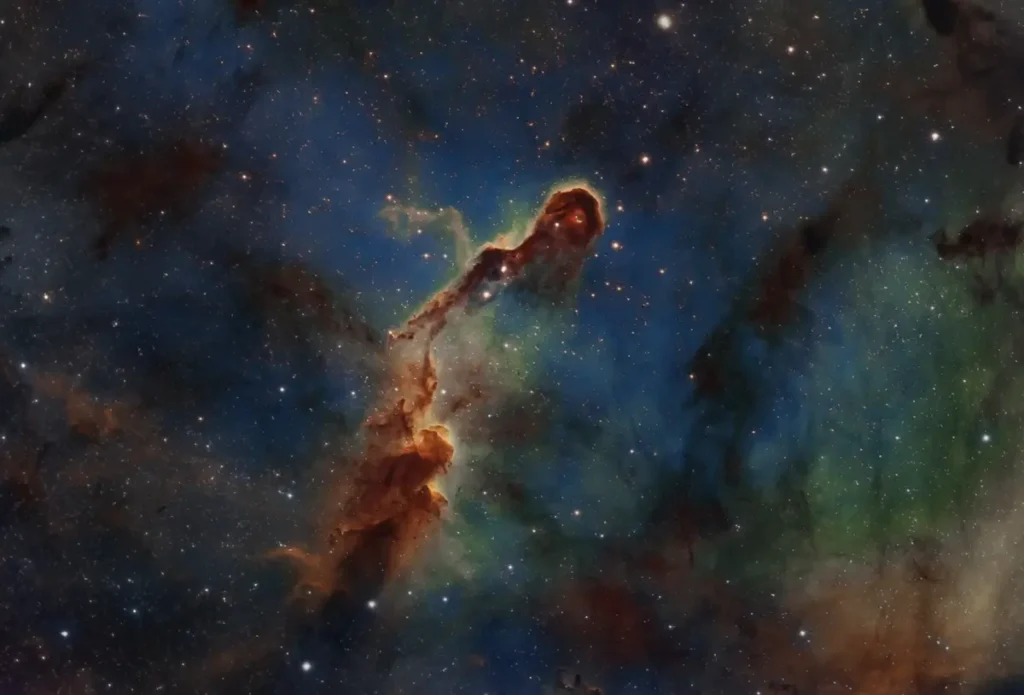
Dark nebulas are dense clouds of dust that block the light behind them, and they are seen as silhouettes. Starseeds linked to them carry a dense, grounded, and deep energy. They are the most reserved of the five, with a weight that feels like quiet gravity, and they often hold more beneath the surface than they ever show. The Horsehead Nebula, linked to some Orion starseeds, is the best-known example.
Reflection Nebula Starseeds
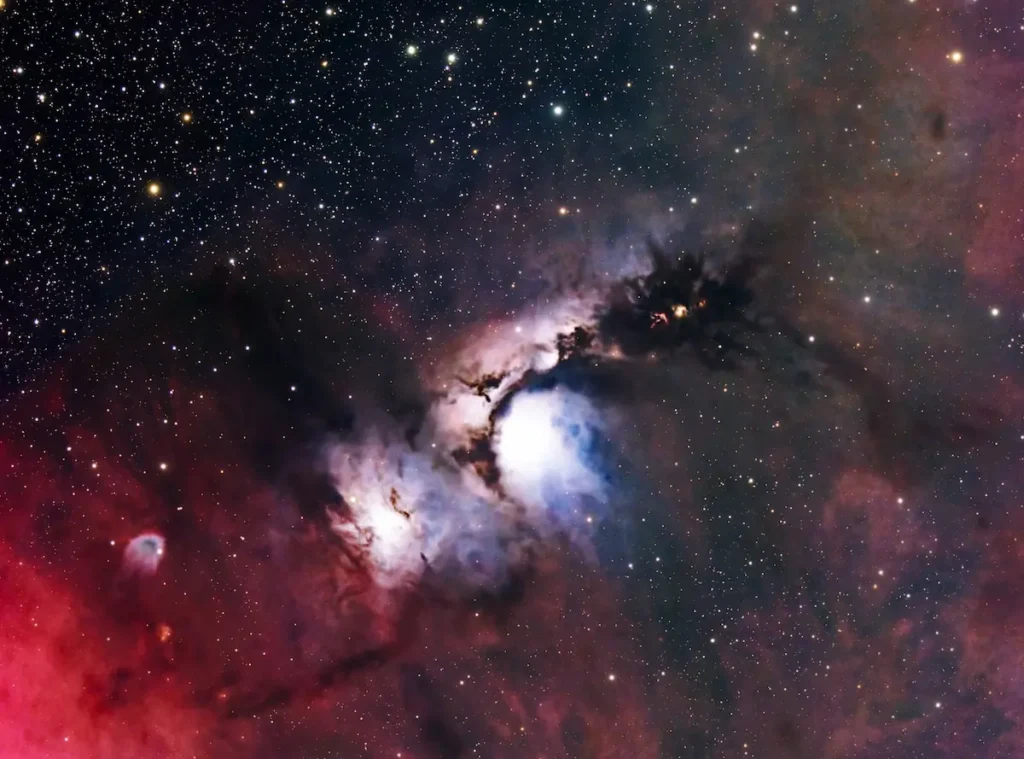
Reflection nebulas do not make their own light. Instead, dust scatters the light of nearby stars into a soft, often blue glow. Starseeds linked to them tend to be gentle and reflective, drawing out and mirroring what is already in the people around them. The Witch Head Nebula, lit by the star Rigel, is the clearest example for the suspected Rigelian starseeds.
Planetary Nebula Starseeds
Planetary nebulas are the glowing shells shed by dying stars like our Sun, and despite the name they have nothing to do with planets. Starseeds linked to them carry the graceful, settled quality of a completed cycle. They often feel like elders, calm and wise, and at ease with endings. The Ring Nebula (Lyran starseeds), the Dumbbell Nebula (Vulpeculan starseeds), and the Helix Nebula belong to this type, though the Helix has no clearly established origin.
Supernova Remnant Starseeds
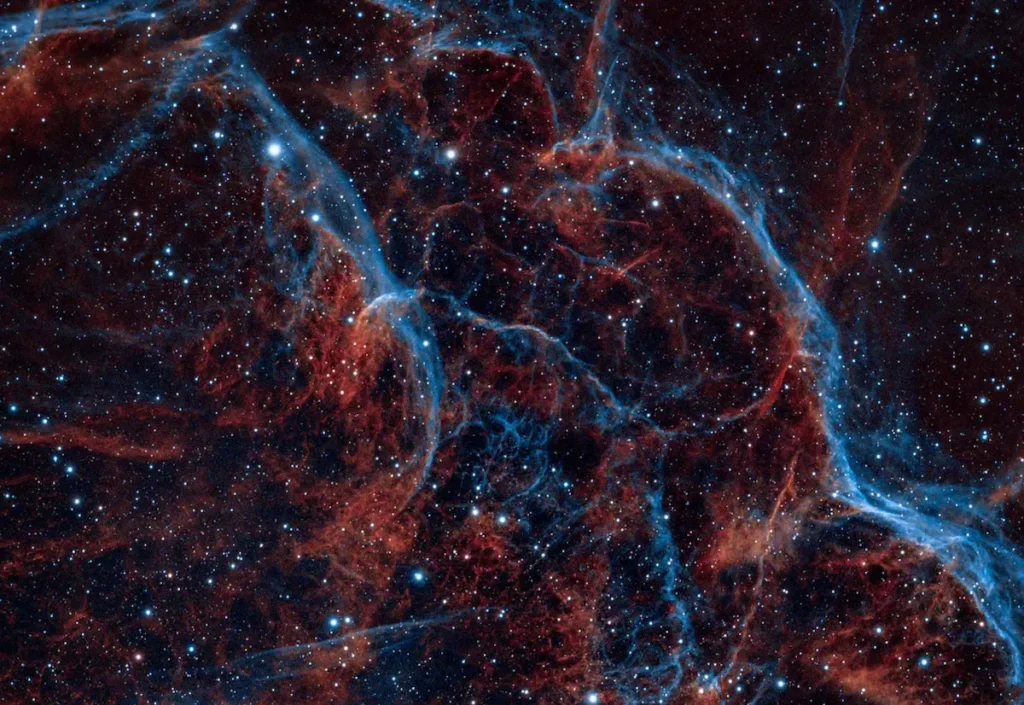
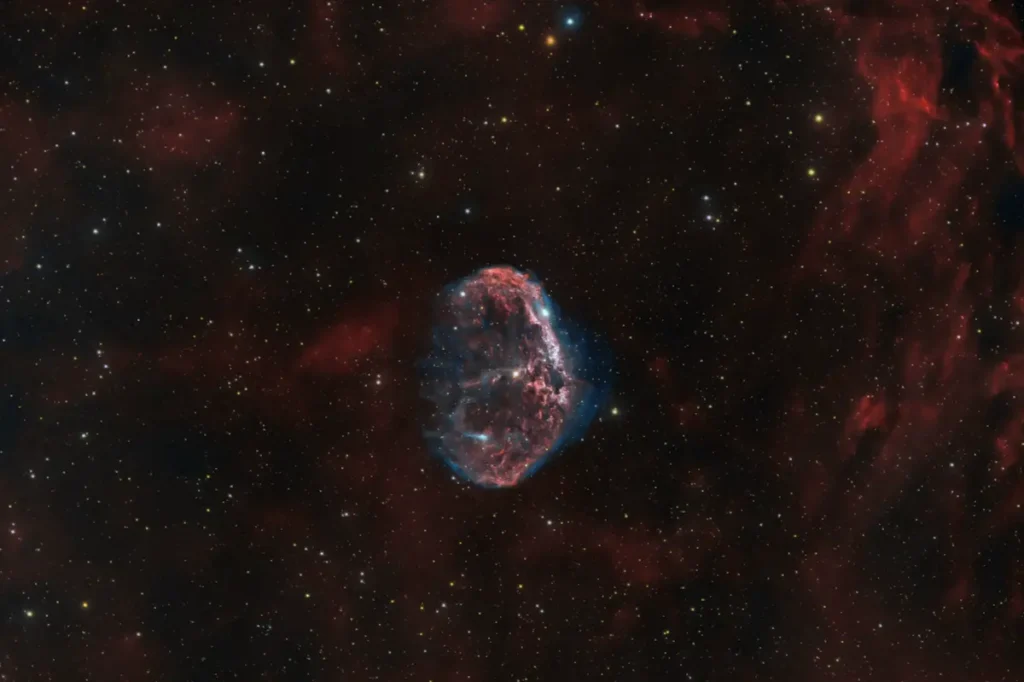
A supernova remnant is the expanding debris of a star that has exploded. Starseeds linked to them are the most intense of the five, with a survivor’s strength and a focused, pulsing core inside a shattered outer shell. They tend to have lived through great upheaval and emerged transformed. The Crab Nebula, linked to possible Taurian starseeds, is the main example.
Which Starseed Are You?✨
Your interest in nebulas may be one clue, but it’s rarely the whole picture. Take the free Starseed Personality Quiz for 12 insightful questions that reveal your natural traits and dominant lineage in just a few minutes.
Famous Nebulas and Their Starseed Origins
Seven nebulas come up most often in connection with nebula starseeds. Distances and ages are estimates that vary between sources, so ranges are given where astronomers disagree. Each nebula is linked to the origin whose region of sky it sits in.
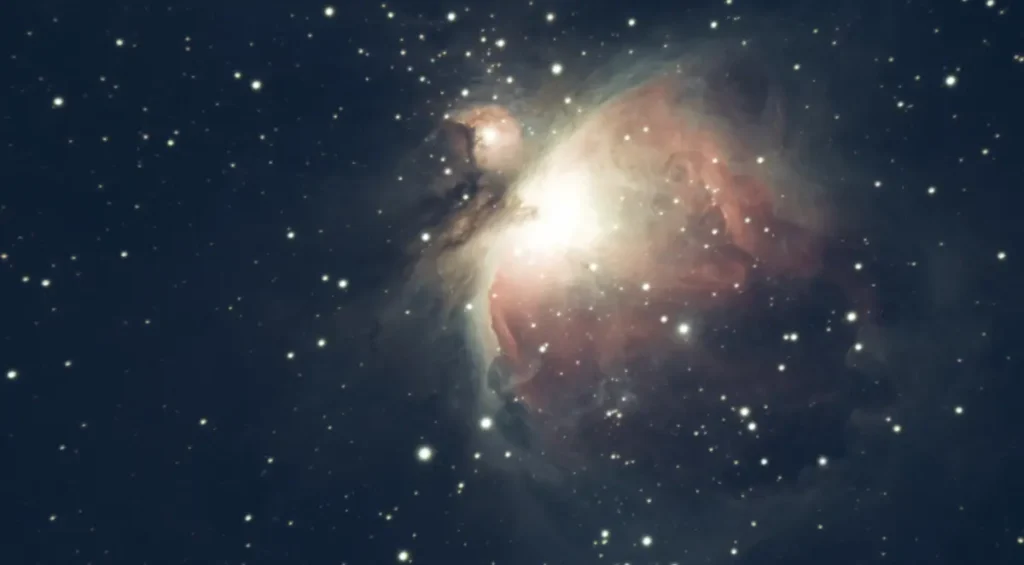
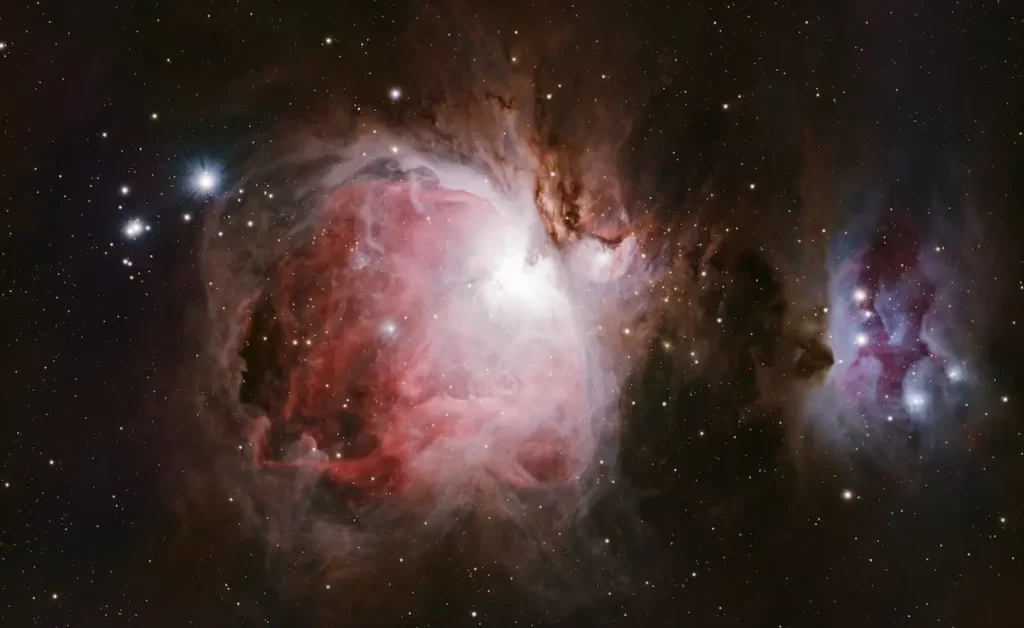
Orion Nebula (Orion Starseeds)
- Type: Emission nebula
- Distance: about 1,350 to 1,500 light-years
- Age: its central star cluster is around 3 million years old
- Notable: the Trapezium cluster of young, massive stars, and the closest massive star-forming region to Earth
Visible to the naked eye, the Orion Nebula is the brightest of the group. Orion starseeds linked to it are said to carry the most radiant and magnetic presence, with the same strategic discipline as their origin but an added glow that draws attention without effort.
Horsehead Nebula (Orion Starseeds)
- Type: Dark nebula
- Distance: about 1,300 to 1,375 light-years
- Age: part of a young star-forming region a few million years old
- Notable: a horse-head silhouette against the glowing nebula IC 434, slowly eroded by the radiation of nearby stars
The Horsehead blocks light instead of making it. Orion starseeds linked to it are described as denser, more grounded, and deeper, with strength that stays below the surface.
Flame Nebula (Orion Starseeds)
- Type: Emission nebula
- Distance: about 1,350 light-years (estimates range from 900 to 1,500)
- Age: very young, with stars still forming inside
- Notable: dark dust lanes cutting across its glow, and it sits beside Alnitak in Orion’s Belt, though the two are not physically connected
Starseeds linked to the Flame Nebula are said to combine a warm, visible presence with a hidden inner depth, like a fire partly veiled by dark dust.
Ring Nebula (Lyran Starseeds)
- Type: Planetary nebula
- Distance: about 2,300 to 2,600 light-years
- Age: a few thousand years old, with estimates from about 1,600 to 8,000
- Notable: about 1 light-year across, with a white dwarf at its centre
It sits near Vega in the sky, but the two are unrelated due to distance. Lyran starseeds linked to the Ring Nebula are said to carry a calmer, more complete quality, like a leader who has already weathered the hardest stage.
Dumbbell Nebula (Vulpeculan Starseeds)
- Type: Planetary nebula
- Distance: about 1,360 light-years
- Age: roughly 10,000 years (estimates 9,800 to 14,600)
- Notable: about 3 light-years across, and the first planetary nebula ever discovered, in 1764
Vulpeculan starseeds linked to the Dumbbell Nebula are said to blend their quiet, observant nature with the settled, enduring feel of a shell that has long since formed.
Other Striking Nebulas
Three more nebulas are sometimes mentioned in connection with nebula starseeds, though little is documented about them. The Crab Nebula, a supernova remnant, lies in Taurus, which is home to Pleiadian, Aldebaran, and Hyadian starseeds. The North America Nebula, an emission nebula, lies in Cygnus, the home constellation of Denebian starseeds. The Lagoon Nebula, a stellar nursery, lies in Sagittarius, the constellation linked to Sagittarian starseeds. Starseeds from these constellations may be connected to these nebulas, though the link is by region of sky rather than direct location, and it remains speculative.
Nebula Starseed Power: Gifts and Abilities
The starseed powers of a nebula starseed are less about dramatic abilities and more about the quiet force of presence. They are believed to show up in five main ways.
- Igniting potential. Like a stellar nursery, a nebula starseed helps things begin. Others tend to find their ideas, confidence, or direction taking shape simply by being around them.
- Holding space. A nebula is vast enough to contain enormous energy without being disturbed. Nebula starseeds can stay steady in the middle of intense emotions or conflict, and that steadiness helps others settle.
- Turning endings into beginnings. Many nebulas are the remains of stars that have ended, and the material is reused to form new ones. Nebula starseeds are often the people others turn to when something is ending, since they help them see what can grow next.
- Shifting the atmosphere. Their presence changes the mood of a room without a word. A tense space often calms when they walk in, and a flat one tends to feel more alive.
- Revealing what is hidden. A dark nebula shows its shape only against the glow behind it, and a reflection nebula shows light that is already there. Nebula starseeds are believed to bring out what others are holding back, whether a talent, a feeling, or a truth.
These powers add to the gifts and inherent starseed lightworker abilities of the home origin and don’t replace them. As a result, an Orion nebula starseed still strategises while a Lyran one still leads. Which power comes through most strongly depends on the type of nebula, with emission nebulas favouring ignition and supernova remnants favouring transformation.
Nebula Starseed Astrology
There is no established astrological marker for a nebula starseed, and no sun sign, birth date, or chart placement confirms the path. The only natural link is by constellation. Taurus, home to the Crab Nebula, and Sagittarius, home to the Lagoon Nebula, are zodiac constellations, so people born under those signs may feel a pull toward them. Orion, Lyra, and Vulpecula sit outside the zodiac, so their nebulas carry no sign of their own. The zodiac signs used in astrology also no longer line up exactly with the constellations of the same name, which makes any connection symbolic rather than literal. A birth chart can still offer clues about your natural presence and strengths, but the starseed signs and the type of nebula you resonate with are a more reliable guide.
FAQ: Nebula Starseed
What is a nebula starseed?
A nebula starseed is a starseed of any origin whose soul is associated with a nebula. It keeps the traits of its home lineage and adds a vast, steady, luminous presence shaped by the nebula.
What is the spiritual meaning of a nebula starseed?
It reflects what a nebula is, a place where stars are born and where old ones end. This links nebula starseeds to creation, transformation, and quiet, luminous presence.
How do I know if I’m a nebula starseed?
No test can confirm it. Start by identifying your home origin, or explore starseed travelers if no single lineage stands out. Then notice whether you also feel a strong presence, steadiness, and a pull toward one of the nebulas linked to that origin.
Can a starseed be linked to more than one nebula?
Yes. Some nebulas share a region of sky, such as the Orion, Horsehead, and Flame nebulas, so a starseed may feel drawn to more than one. Usually one stands out more than the others.
Do all starseeds have a nebula connection?
No. Lineages from nearby stars, such as Sirius or Arcturus, have no nebula branch. Nebula starseeds are found mainly among the more distant origins, such as Orion, Lyra, and Vulpecula.
Which Origin Does Your Nebula Belong To? ✨
Every nebula starseed begins with a home origin. Starseed Origins is a 166-page reference covering 40+ starseed types, with profiles on traits, energy, and origins.
Cosmic Closure
A nebula starseed carries two skies at once: the star it came from and the cloud it was born within. Where other starseeds are known by a single point of light, a nebula starseed is known by the glow around it, a presence so vast and steady that people feel it before a word is spoken. That presence has never needed to be loud. A nebula does not rush, argue, or perform, yet stars are born inside it, and the light of dying ones is gathered into new beginnings. There is no need to prove which nebula is yours or to feel the pull exactly as described. Notice where you feel most at home, honour the strength you carry, and let your presence do its work. Some of the most powerful things in the universe simply glow, and the rest of the sky grows around them.