Picture a pen moving across the page while your mind sits back and simply watches. Words appear that feel both familiar and new, as though they are arriving from somewhere just beyond everyday thought. This is the experience many describe during automatic writing, a spiritual practice used to receive guidance from the higher self, spirit guides, loved ones and even star family. This beginner-friendly guide explains the meaning of automatic writing and walks through how to do it step by step. It also shares simple exercises to get the words flowing, how to use a planchette, what messages can look like and how to stay grounded and protected while channelling.
Let’s pick up the pen and see what wants to be written.
What Is Automatic Writing?
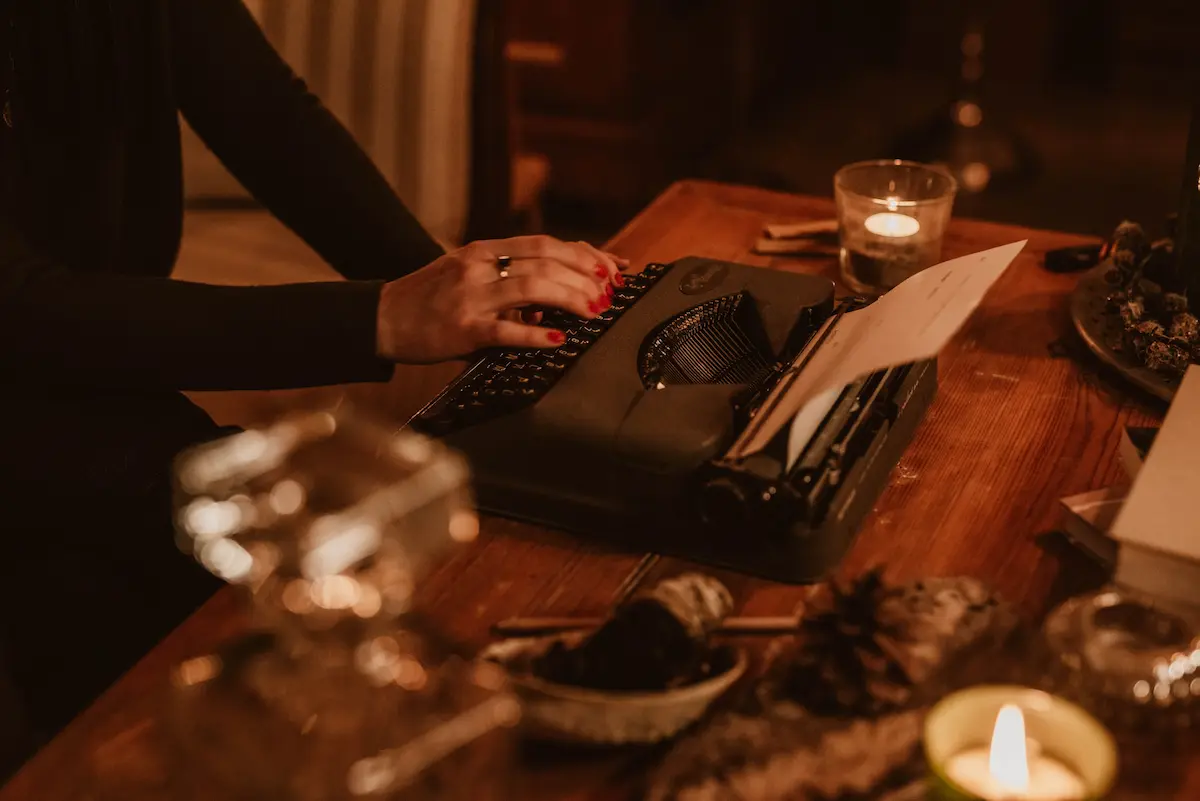
Automatic writing is a spiritual practice in which a person writes without consciously directing their words. It allows messages to flow through from intuition, the higher self or spirit.
Sometimes called spirit writing or psychography, it is one of the most accessible spiritual tools for connecting with guidance beyond the thinking mind. In a spiritual context, automatic writing is seen as a form of channelling. The writer enters a relaxed, receptive state and lets the pen move without stopping to judge, edit or plan. What appears may be a single word, a flowing letter, a symbol or a simple drawing. Many describe the messages as wiser, kinder or more direct than their usual way of thinking. The practice needs nothing more than a pen and paper, which makes it a natural first step for anyone curious about channelling. With patience, it often becomes a trusted way to ask questions and receive answers in your own handwriting.
Which Starseed Are You? ✨
Curious where your soul’s story began? Take the free Starseed Personality Quiz and discover your dominant starseed lineage in just a few minutes.
A Brief History of Automatic Writing
Writing guided by spirit has a long history across cultures. In China, a form of spirit writing known as fuji has been practised since the Song dynasty, which began more than a thousand years ago. On the other hand, automatic writing flourished alongside the Spiritualist movement of the 19th century in the West. In 1853, the planchette, a small heart-shaped board fitted with a pencil, appeared at séances in Paris, and by the late 1860s it had become a popular parlour tool in Britain and America. The practice later found a home in the arts. Poet W. B. Yeats drew deeply on the “automatic script” his wife, Georgie Hyde-Lees, began producing in 1917. Two years later, the Surrealist writers André Breton and Philippe Soupault used automatic techniques to compose Les Champs Magnétiques. Today, automatic writing is embraced more as a personal path to intuition than as a séance-room spectacle.

Automatic Writing vs. Journaling
Automatic writing and journaling both use a pen and paper, but they draw from different places. Journaling is a conscious reflection on your own thoughts and feelings. Automatic writing aims to step aside from the thinking mind, so that something beyond everyday awareness can come through.
| Journaling | Automatic Writing | |
| Source | Your conscious thoughts and feelings | Intuition, the higher self or spirit |
| Mindset | Reflective and deliberate | Relaxed and receptive |
| Pace | Pauses to think and choose words | Continuous, without stopping to edit |
| Voice | Your usual way of speaking | Often wiser, simpler or unfamiliar |
| Purpose | Processing experiences | Receiving guidance and answers |
The two work well together. Many people journal first to clear their mind, then shift into automatic writing once they feel calm and open.
Who Do the Messages Come From?
Those who practise automatic writing describe a range of sources behind their messages. Each is said to have its own tone and energy, which many learn to recognise over time:
- The higher self: Often the first voice beginners connect with, the higher self is described as the wisest, most loving part of your own soul. Its messages tend to feel calm, clear and deeply personal.
- Spirit guides: Guides are believed to walk alongside you throughout life, offering perspective and encouragement. Their words may come through in a slightly different style or tone from your own.
- Loved ones in spirit: Some people feel that family members or friends who have passed reach out through automatic writing, sometimes with familiar phrases, nicknames or turns of humour.
- Angels: Angelic messages are often described as gentle and uplifting, focusing on reassurance, protection and love.
- Star family: Starseeds may sense messages from beings connected to their star origins, sometimes in unusual words, symbols or geometric shapes.
Some practitioners also see the writing as a way to reach the deeper layers of their own mind. Whatever the source, one guideline appears again and again. Genuine guidance is said to feel loving and supportive. Anything fearful, controlling or unkind is best set aside.
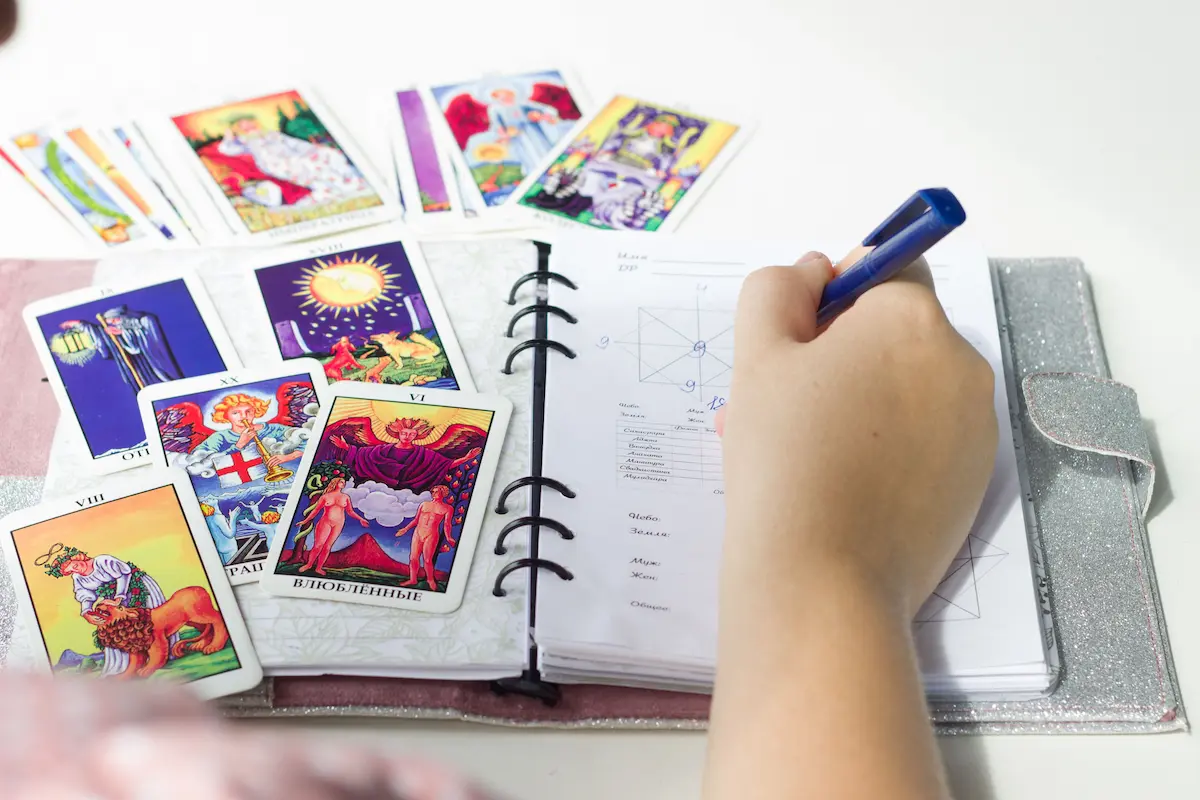
How to Do Automatic Writing
What You’ll Need
Automatic writing needs very little to begin. A notebook kept just for this practice helps the habit feel special, along with a pen that glides easily across the page. Choose a calm, private spot where you will not be disturbed, such as a starseed sanctuary or a favourite corner of your home. Some like to light a candle, hold a crystal or play soft music to set the mood. Most importantly, allow yourself unhurried time, since rushing tends to keep the thinking mind in charge.
Letting the Pen Lead
1. Cleanse your space: Clear the room with burning sage, sound or simple intention, so it feels fresh and supportive.
2. Relax and ground: Sit comfortably, close your eyes and breathe slowly for a few minutes. A short grounding visualisation or one of your favourite starseed meditation techniques helps settle mental chatter.
3. Set a protective intention: Ask that only loving, truthful guidance comes through. Many picture themselves surrounded by white or golden light.
4. Ask a question: Write a simple, open question at the top of the page, such as “What do I need to know today?”
5. Write without stopping: Rest the pen on the paper and let it move. Avoid reading, correcting or judging as you go. If nothing comes, draw loops or lines until words begin to flow.
6. Close and read back: When the writing slows, thank your guides and end the session. Read the message afterwards, noting anything that stands out.
Automatic Writing Techniques and Exercises
If the words do not flow at first, a few simple exercises can help loosen the grip of the thinking mind. Try one at a time and notice which feels most natural:
- Free-flow warm-up: Write anything that comes to mind for three minutes without lifting the pen, even if it feels like nonsense. This clears surface thoughts and makes space for deeper guidance.
- Non-dominant hand: Writing with your other hand slows you down and makes it harder to control each word, which many find helps messages come through more freely.
- Two-pen dialogue: Use one colour to write your questions and another for the answers. Switching pens helps separate your own voice from the guidance you receive.
- Timed sessions: Set a timer for five or ten minutes and keep writing until it ends. A clear time limit removes pressure and builds a steady habit.
- Morning writing: Write in the first few minutes after waking, while the mind is still soft and dreamlike and less likely to interfere.
Progress tends to come with consistency rather than effort. Practising for a few minutes most days is usually more helpful than one long session each week.
Automatic Writing With a Planchette
What Is a Planchette?
A planchette is a small, usually heart-shaped board that rests on two wheels or casters, with a pencil fitted through a hole at its point. When fingertips are placed lightly on top, the board glides across the paper and the pencil traces words, symbols or shapes. Because it reduces the sense of controlling each letter, many find a planchette helpful when writing with an ordinary pen feels too deliberate. Much like a dowsing pendulum, it responds to the smallest movements, which is why a light touch matters.
How to Use a Planchette for Automatic Writing
1. Prepare a large sheet of paper: Tape it to a smooth table so it does not slide as the planchette moves.
2. Set the pencil: Adjust it so the tip just touches the paper and the board sits level on its wheels.
3. Rest your fingertips lightly: Use one or two fingers from each hand. A friend can join you, each resting their fingertips on the board.
4. Ask your question and wait: Follow the same grounding and protective steps as regular automatic writing, then allow the planchette to move in its own time.
5. Read gently: Planchette writing is often large and looping, so letters may run together. Look for words, shapes and repeated patterns rather than perfect handwriting.
Planchette vs. Ouija Board
The word “planchette” also describes the pointer used on a Ouija board, which can cause confusion. A writing planchette holds a pencil and produces free-flowing words or drawings on blank paper. A Ouija pointer has no pencil and moves between printed letters, numbers and “yes” or “no” on a board. Many find the writing planchette feels more personal and open-ended, since messages are not limited to spelling out one letter at a time.

Automatic Writing Examples
Automatic writing can take many forms, from a single word to a full page of flowing guidance. Knowing what to expect makes it easier to recognise a message when it arrives. Some of the most common examples include:
- Single words or short phrases: Early sessions often bring just one or two words, such as “trust” or “not yet.” These can feel small, yet they often answer the question directly.
- Flowing letters: As the practice deepens, messages may arrive as a letter addressed to you, sometimes beginning with “Dear one” or your name.
- Symbols and shapes: Spirals, circles, stars, hearts or geometric patterns may appear, each worth noting for its personal meaning.
- Simple drawings: A tree, a door, an eye or a path may say more than words, especially for visual or intuitive people.
- Unfamiliar words: Some notice unusual spellings, made-up words or scripts they do not recognise, which they later explore through meditation or research.
A short example of a beginner’s message might look like this:
Question: What do I need to know today?
Answer: Slow down. The door you keep pushing is not yours. Rest, and the right one will open.
Messages often feel simpler and kinder than everyday thoughts. Reading them back a day or two later can reveal meanings that were not obvious at first.

Automatic Writing for Starseeds
Starseeds are often described as natural channels, sensitive to energy and drawn to messages from beyond Earth. For many, automatic writing becomes a gentle way to reconnect with their star family and soul history. Some starseed-focused ways to work with it include:
- Exploring the Akashic records: Some use automatic writing to ask questions of the Akashic records, the energetic library said to hold every soul’s journey.
- Receiving star symbols: Shapes and geometric patterns that appear on the page may echo starseed symbols linked to particular lineages.
- Writing in light language: Some starseeds find their pen forming flowing scripts or unfamiliar characters. This is often described as light language, a form of communication said to carry energy rather than literal meaning.
- Asking about lineage: Questions such as “Which star family am I most connected to?” can open a dialogue with guides who share your origins.
Messages like these are best treated as personal insights to reflect on over time. Comparing them with your traits, memories and intuition can help build a fuller picture of where your soul may have begun.
How Many Starseeds Exist? ✨
A 166-page reference to 40+ starseed types and lineages, with detailed profiles on origins, traits, appearance and energy.
Is Spirit Really Holding the Pen?
Is Automatic Writing Real?
For those who practise it, automatic writing often feels deeply real. Messages may arrive in an unfamiliar tone, answer questions in unexpected ways or offer comfort at exactly the right moment. Many see this as clear evidence of guidance from the higher self or spirit. Researchers tend to explain the experience differently. They point to the ideomotor effect, where tiny, unconscious muscle movements guide the pen, and to the subconscious mind resurfacing forgotten memories and ideas. These views do not have to cancel each other out. Even if the words rise from deep within, many find the practice brings insight, healing and a stronger connection to their intuition.
Is Automatic Writing Dangerous?
Automatic writing is generally considered a gentle practice, especially when approached with care. A few simple habits help keep it a positive experience:
- Always set a protective intention: Ask that only loving, truthful guidance comes through, and close each session with thanks.
- Set aside anything unkind: If messages feel fearful, controlling or upsetting, stop writing, ground yourself and return another day.
- Keep big decisions grounded: Use automatic writing for reflection, not as the sole basis for choices about health, money or relationships.
- Choose your timing: Avoid practising when you feel exhausted, emotionally fragile or under the influence of alcohol or other substances.
- Ground yourself afterwards: Eat something, drink water or step outside to reconnect with your body.
If the experience ever feels overwhelming or hard to switch off, it is wise to take a break and talk it through with someone you trust or a qualified professional.
FAQ: Automatic Writing
How long does it take for automatic writing to work?
It varies from person to person. Some receive words in their very first session, while others need several weeks of regular practice before anything flows. Patience matters more than effort, and even scribbles or single words are seen as a sign the connection is opening.
Do you need to be psychic to do automatic writing?
No. Automatic writing is often recommended for beginners precisely because it needs no special gifts. Anyone willing to relax, set an intention and let go of control can practise it. Many find their intuition grows stronger the more they write.
How can you tell if you are just making it up?
Channelled messages are often described as arriving faster than you can think them, in a tone that feels wiser, simpler or kinder than your own. Imagination usually feels more deliberate. Over time, keeping a record of messages and noticing which ones prove meaningful helps build trust in the difference.
Can you do automatic writing on a computer or phone?
Some people type rather than write, letting their fingers move freely across the keyboard. Many still prefer pen and paper, which is believed to create a more direct, physical connection and makes it easier to capture symbols and drawings.
What should you do with the messages you receive?
Date each message and keep it in a dedicated notebook. Read it again after a few days or weeks, since meanings often become clearer with time. Treat messages as guidance to reflect on rather than instructions to follow without question.
Final Thoughts
Automatic writing asks for very little, yet it can open a remarkable door. A pen, a blank page and a willingness to let go are all it takes to begin a conversation with the wisest parts of yourself and the guidance that surrounds you. The first sessions may bring only scribbles or a single word, and that is part of the process. With patience, the words tend to grow clearer, warmer and more familiar, until reading them feels like hearing from an old friend. Keep your intentions loving, your sessions grounded and your notebook close. Whether your messages come from spirit, star family or the depths of your own soul, each one is an invitation to listen more closely. The next blank page may be the one that holds exactly what you need to hear.